When Do You Begin Teaching a Child to Tie Their Shoes?
The Typical Age Range for Learning to Tie Shoes
Most children begin showing interest and building the physical abilities needed to learn shoe tying between the ages of 4 and 7. On average, many kids are ready to grasp this skill around 5 to 6 years old. By this stage, they’ve usually developed fine motor coordination, finger strength, and a growing understanding of cause and effect—all vital for mastering the rhythm and dexterity required for tying.
Still, it’s crucial to understand that there’s no universal “one-size-fits-all” timeline. While some children take to the process quickly, others might need more time or practice before they master it confidently. Patience and observation are key.
Why Early Exposure Matters: More Than Just Shoe Tying
Learning to tie shoes does more than just fasten footwear—it nurtures independence, patience, and problem-solving. Mastering such a manageable task gives children a tangible sense of accomplishment and responsibility. When do we start expecting kids to take ownership of practical daily routines? Often, it’s not about forcing early success, but planting early seeds so when the time comes, they’re prepared.

Watch for Readiness Signs: Motor Skills & Motivation
Before tackling actual tying, ensure your child has developed key fine motor skills. Look for:
- Strong finger strength—can hold a pencil or manipulate small objects with control.
- Coordination to manipulate laces gently without fumbling or dropping them.
- Attention span and focus—tie-tying requires sustained concentration for several steps.
- Tolerance for repetition—mastery comes with practice, so willingness matters.
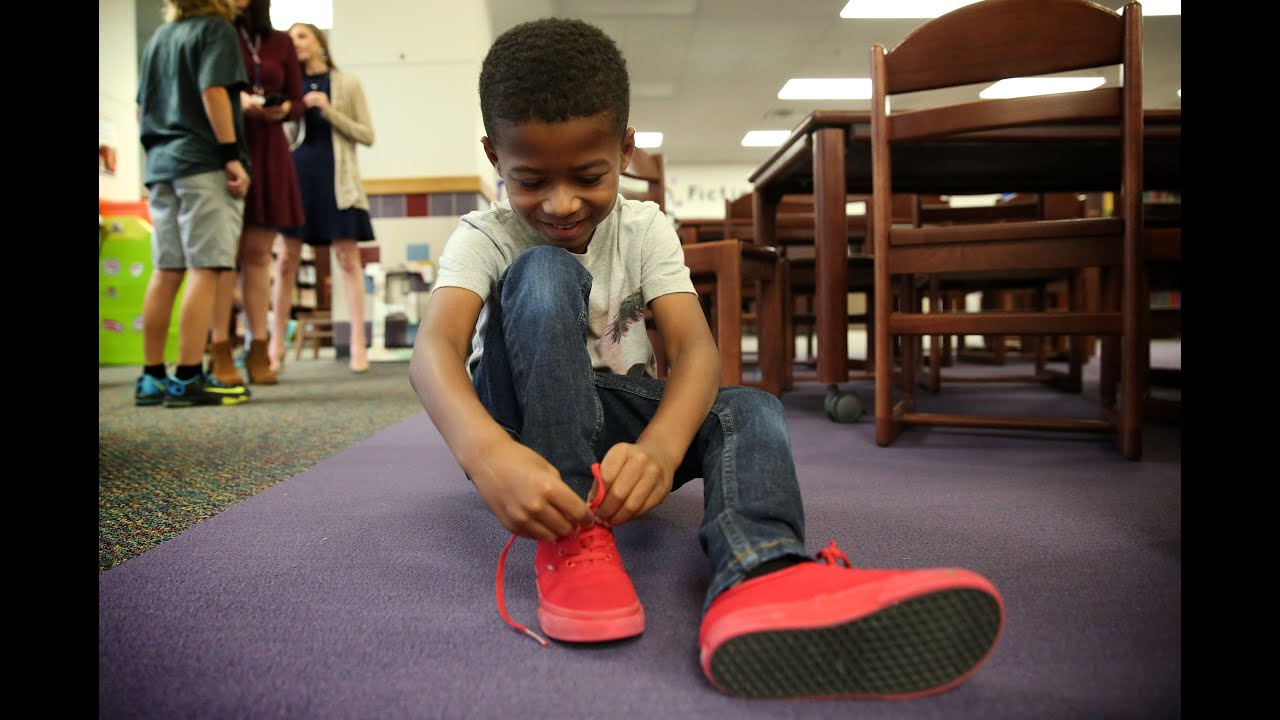
Around age 4, many children begin to experiment with laces, often “tying” without knowing the proper technique. This is a great sign of interest—but your child needs the physical foundation to turn trial-and-error into successful tying.
Step-by-Step: Making Shoe Tying Fun and Accessible

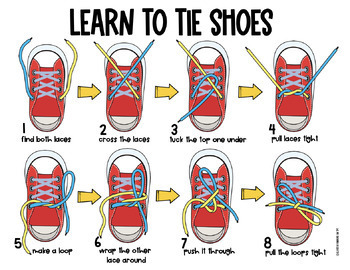
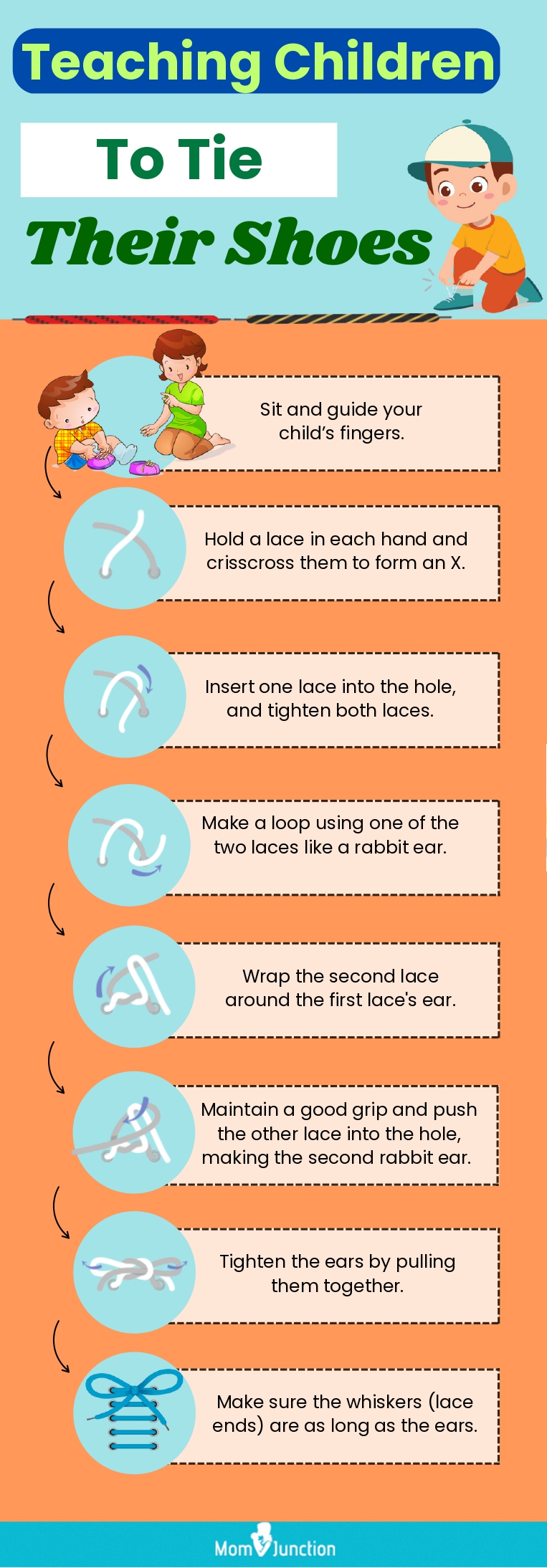
1. Show your child how to make two wide loops—gentle bunny ears—from the shoelace ends.
2. Guide them to tug gently while twisting the loops, forming a knot.
3. Turn it into a game by naming the bunny ears or racing to tie quickly.
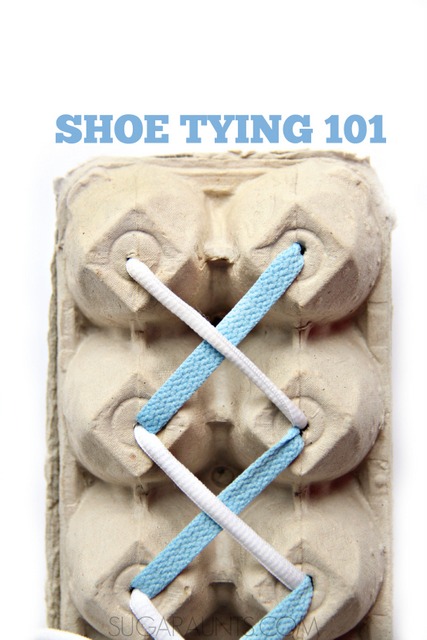
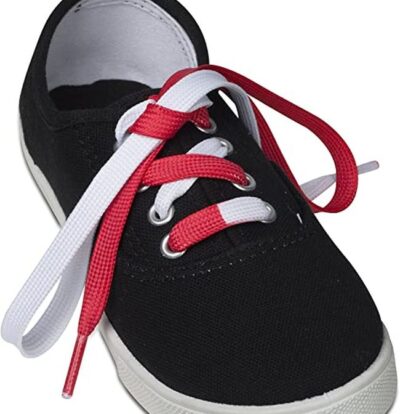
Using bright, thick laces first captures attention and eases control, building confidence early. Breaking the skill into simple, visible steps keeps motivation high.
Supporting Persistence: When Do Kids Need a Nudge?
With Velcro closures and easy-lock sneakers becoming more common, some parents question whether tying shoes remains essential. Yet, experts highlight that lacing still develops critical fine motor control and logical sequencing—skills transferable to larger challenges. For kids whose coordination lags, alternatives offer practical solutions without delaying skill-building altogether.
When Should Parents Step In or Step Back?
Knowing when to support, guide, or gently accept a child’s current limits helps reduce pressure. If your child shows frustration or gives up after a few attempts, pause and revisit the activity. Celebrate small wins and reinforce effort. Remember, mastery often comes gradually—what matters is creating a supportive environment where they feel safe to try again.
In Summary: When Is Your Child Ready?
While the average window for learning shoe tying spans 4 to 7 years, the true indicator is your child’s emerging independence, motor control, and enthusiasm. Begin introducing laces around age 4 or 5, focusing on fun, repetitive practice with child-friendly materials. To build lasting skill, combine playful teaching with patient persistence—celebrating every step, not just the final knot.
Ultimately, when do you begin teaching a child to tie shoes? It’s not just about when they can tie in front of you—but when they feel ready, curious, and excited to take responsibility. With the right approach, this milestone becomes a gateway to lifelong confidence and competence.