Managing Continuous Partial Attention in a Team Environment: A Growing Concern in the Modern Workplace
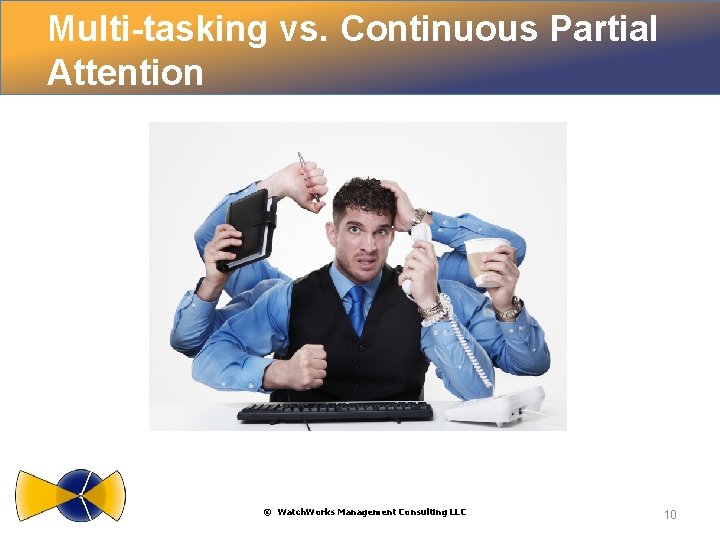
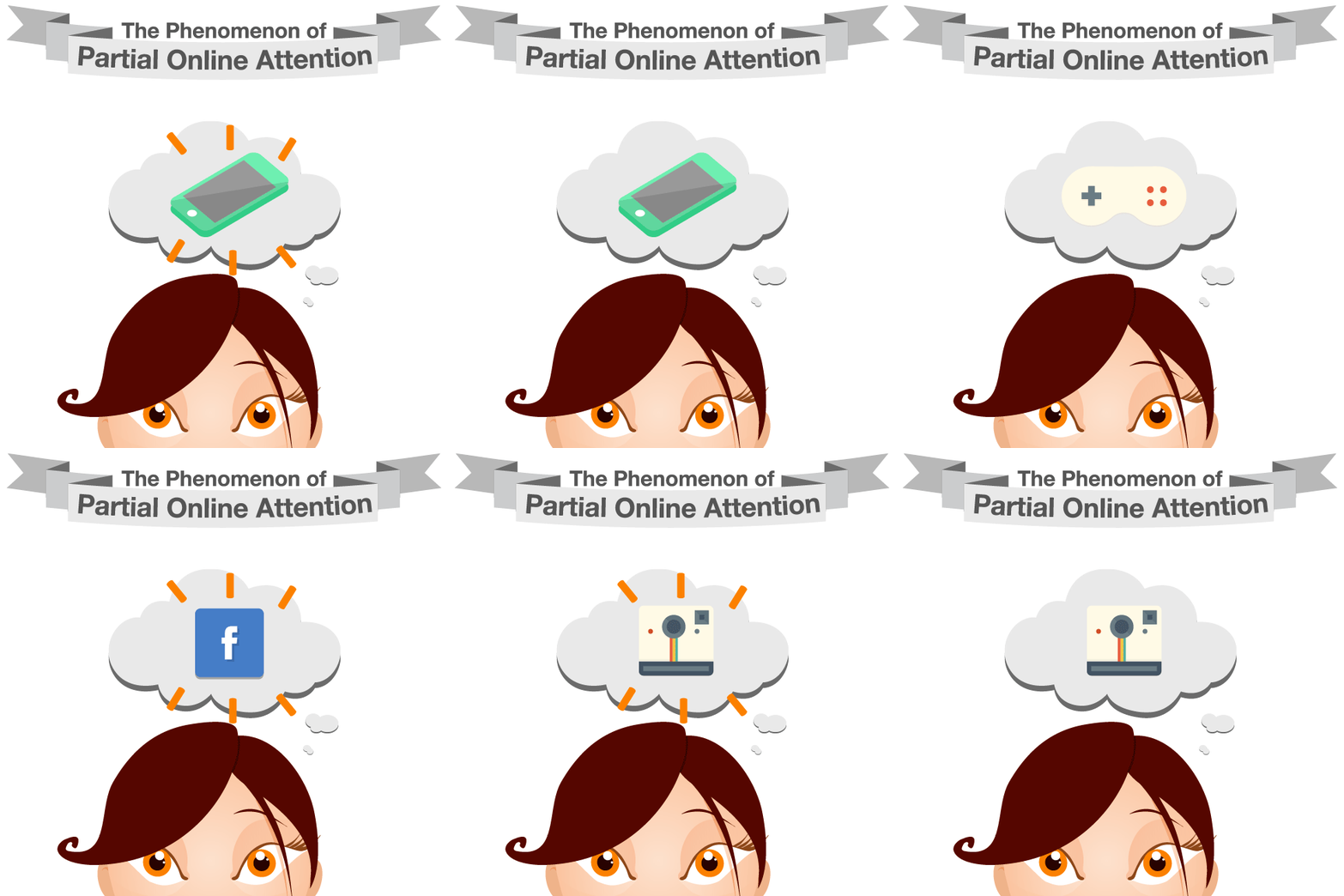
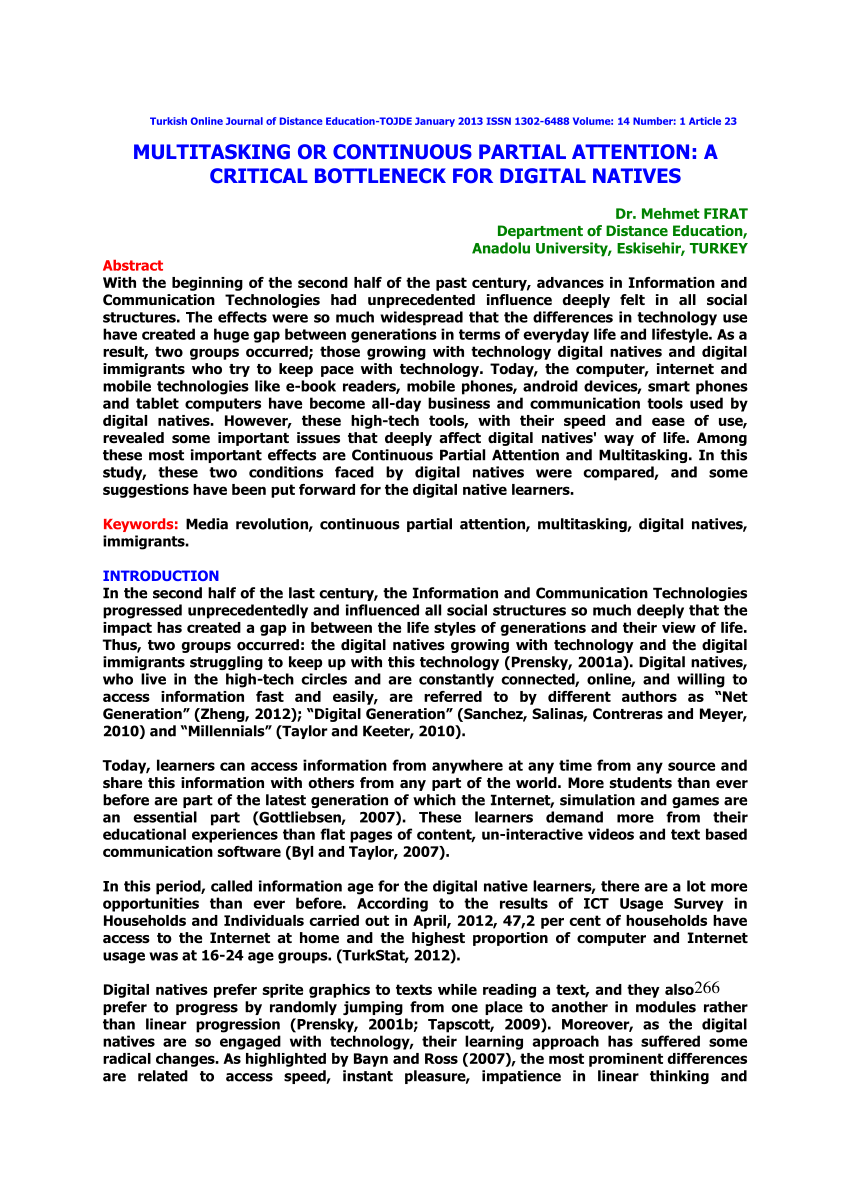
As we navigate the complexities of the modern workplace, it has become increasingly apparent that managing continuous partial attention (CPA) in a team environment is a critical challenge. CPA, coined by Linda Stone in 1998, refers to the state of being lightly engaged everywhere and fully engaged nowhere. It's the continuous division of attention among multiple sources, driven by the desire to stay connected and alert to the best opportunities. In this article, we'll explore the implications of CPA on team productivity, mental health, and learning, and discuss effective strategies for managing its challenges.
The Impact of CPA on Teams
Congent with the rise of mobile technologies, CPA has become a common occurrence in the modern workplace. Studies have shown that CPA can lead to increased stress, decreased ability to focus and concentrate, and reduced productivity levels. Furthermore, CPA can affect relationships within teams, leading to overstimulation and a lack of fulfillment. These consequences can have far-reaching effects on team dynamics, ultimately impacting the organization's overall performance and success.
Causes and Consequences of CPA

So, what causes CPA? According to Stone, CPA arises from the anxiety-driven need to constantly scan for relevant information and stay connected. This behavior is often driven by the fear of missing out (FOMO) or the pressure to perform well in a fast-paced work environment. The consequences of CPA can be severe, leading to burnout, decreased creativity, and poor decision-making.
Strategies for Managing CPA in Teams
-
Establish clear priorities: Communicate clear goals, objectives, and deadlines to avoid the constant switching between tasks and help team members focus on the most critical tasks.
-
Designate dedicated spaces for deep work: Create physical or virtual environments where team members can focus on complex tasks and avoid digital distractions.
-
Implement attention-management routines: Develop and share routines that promote sustained attention, such as the Pomodoro Technique, to help team members stay focused on specific tasks.
-
Encourage mindfulness and self-care: Foster a team culture that promotes mindfulness, self-care, and emotional intelligence to help team members manage stress and maintain their well-being.
Conclusion

References
Stone, L. (1998). Continuously partial attention. Presentation at the Apple Conference, San Francisco, CA.
Friedman, T. L. (2013, January 26). The Connection Economy. New York Times.
Stone, L. (2020). Continuous Partial Attention. Presentation at the Microsoft Ignite conference, Orlando, FL.