How to Learn Python File Input Output
Apr 9, 2025 In Python, file input and output (I/O) operations are crucial for working with external data sources. Whether you're reading configuration files, logging data, or processing large datasets, understanding how to handle files effectively is essential. This blog post will delve into the fundamental concepts, usage methods, common practices, and best practices of file I/O in Python.
The Basics of File I/O in Python
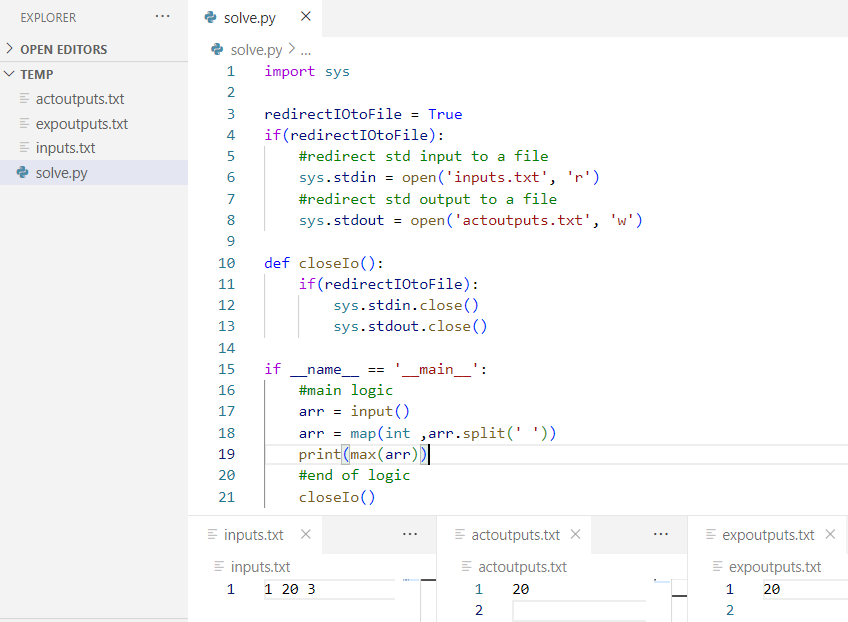
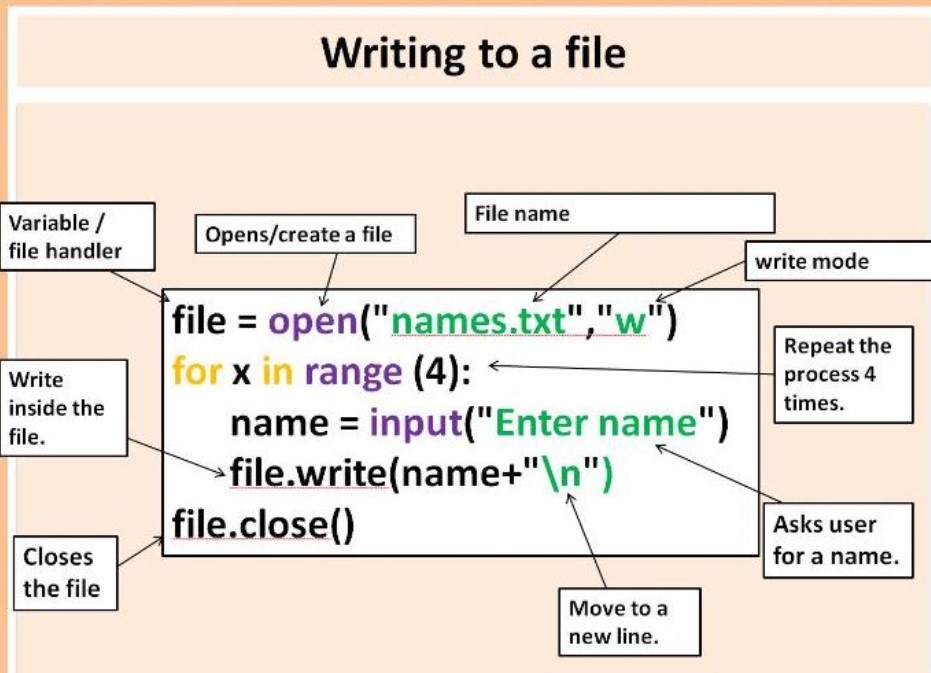
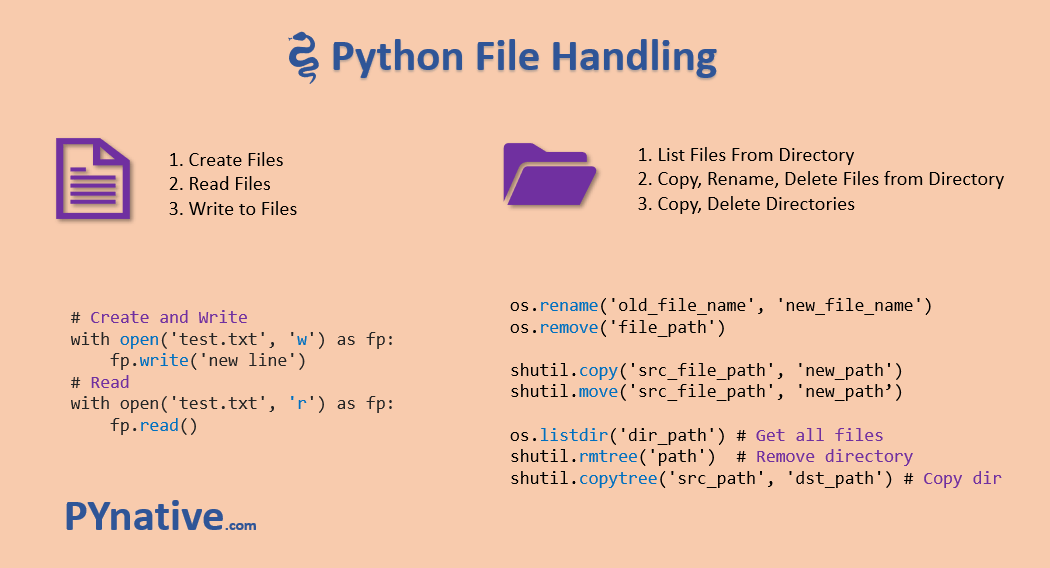
In Python, the `open` function gives you the ability to interact with files. It's used to open files and create a file object, which allows you to read, write, or append content. The `open` function takes two main arguments: the file path and the file mode. The file mode determines the type of operation you want to perform on the file.
- 'r' - Read mode: Opens the file for reading. If the file does not exist, an error is raised.
- 'w' - Write mode: Opens the file for writing. If the file does not exist, a new file is created. If the file exists, its contents are truncated.
- 'a' - Append mode: Opens the file for appending. If the file does not exist, a new file is created.
Working with Files
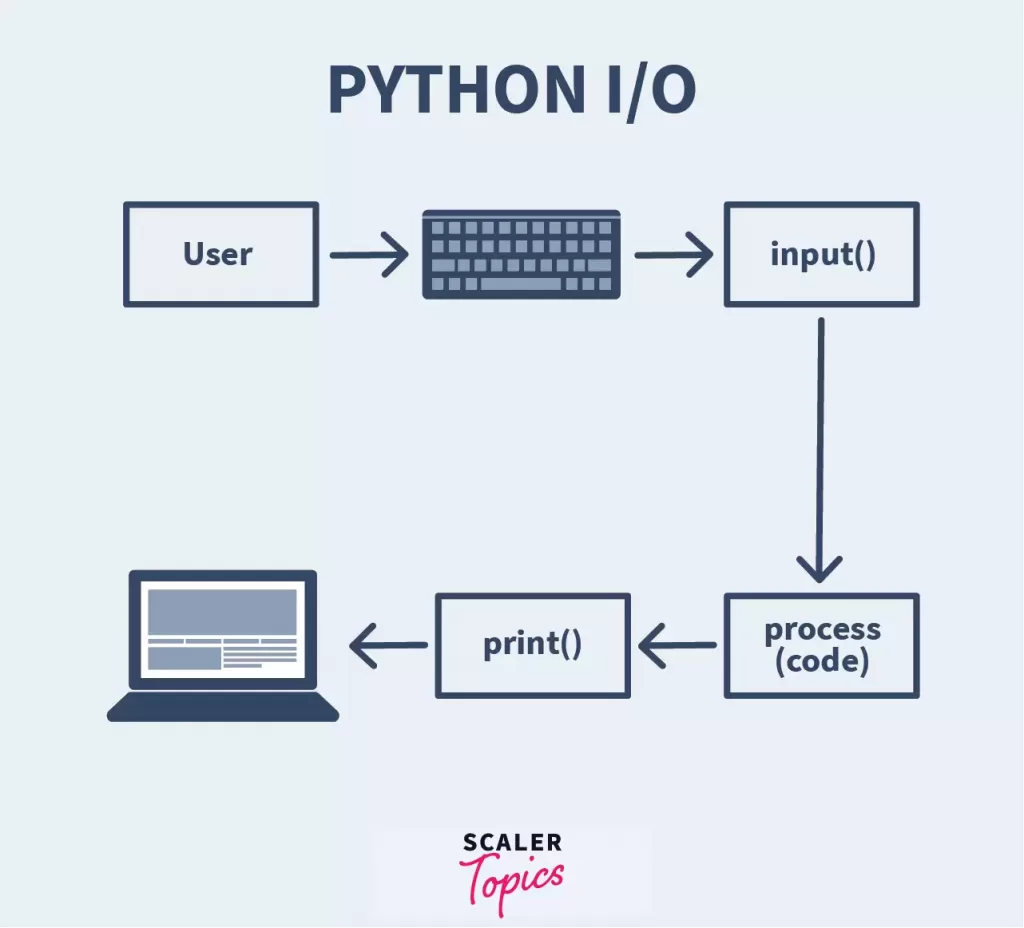
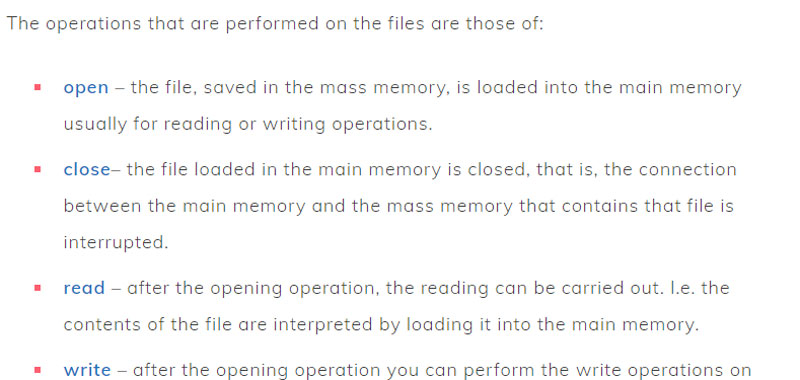
In Python, you can work with files using the `open` function. You can use the `read` method to read the contents of a file, the `write` method to write to a file, and the `close` method to close the file.
Reading a File
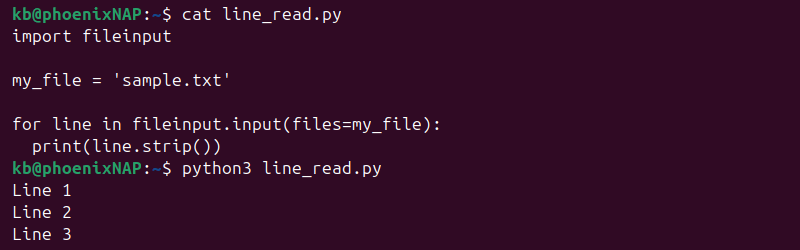
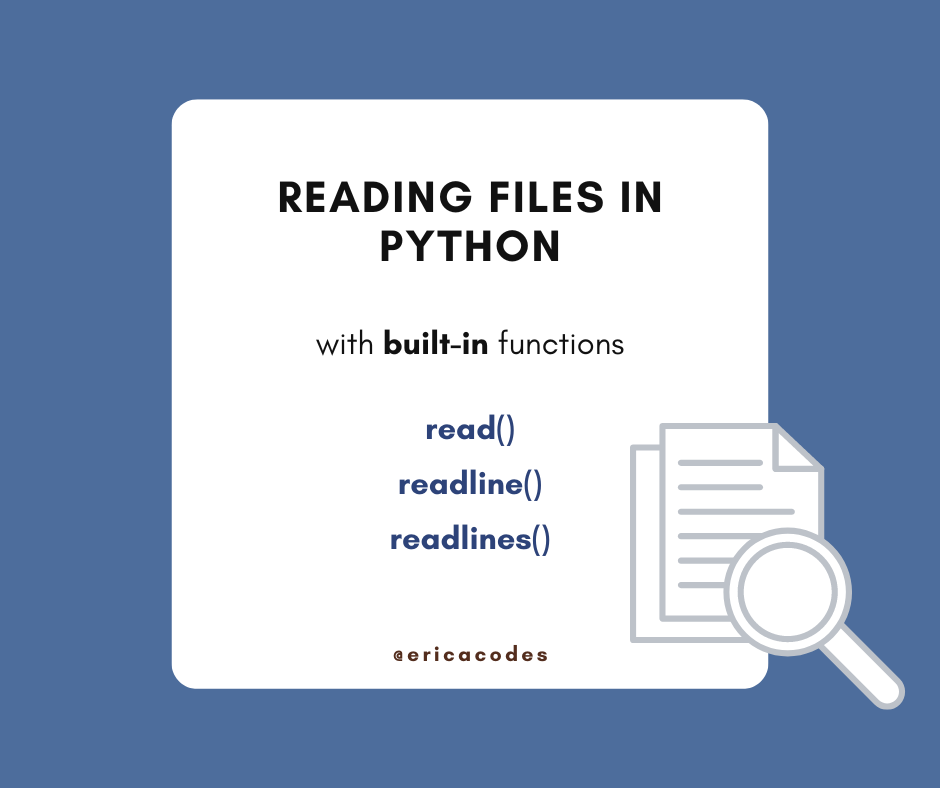
To read a file, you can use the `read` method. For example:
file = open('example.txt', 'r')
print(file.read())
file.close()
Writing to a File
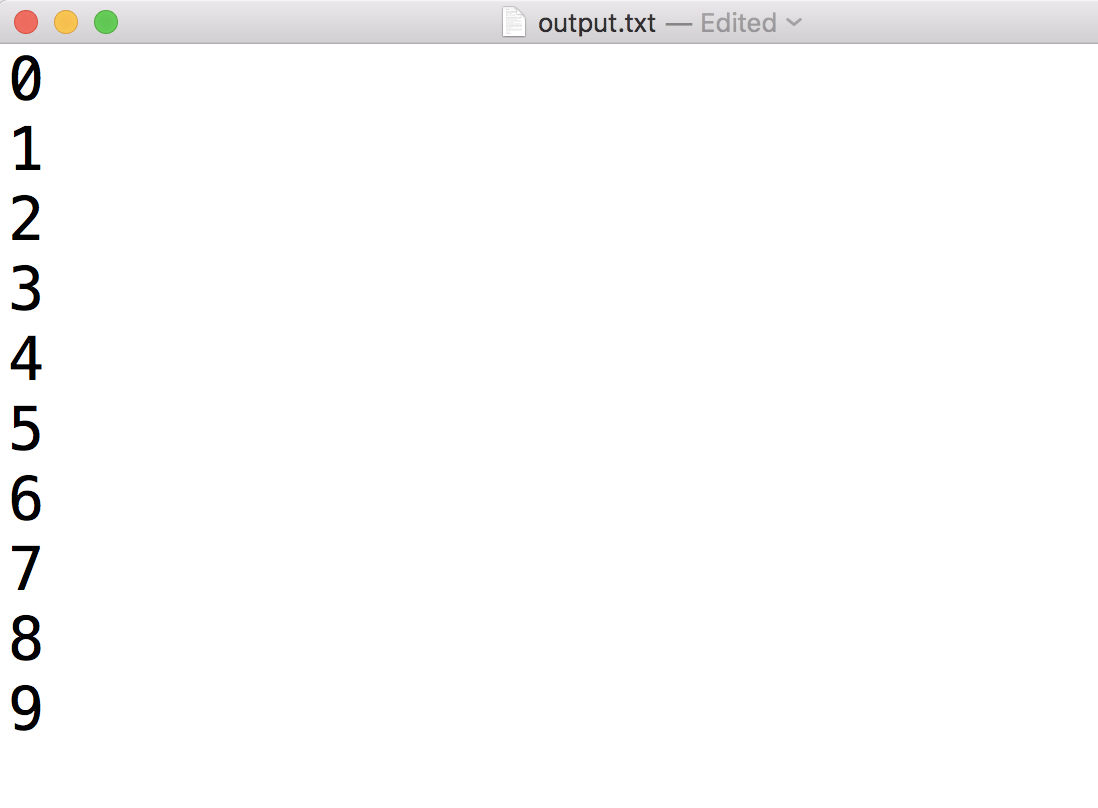
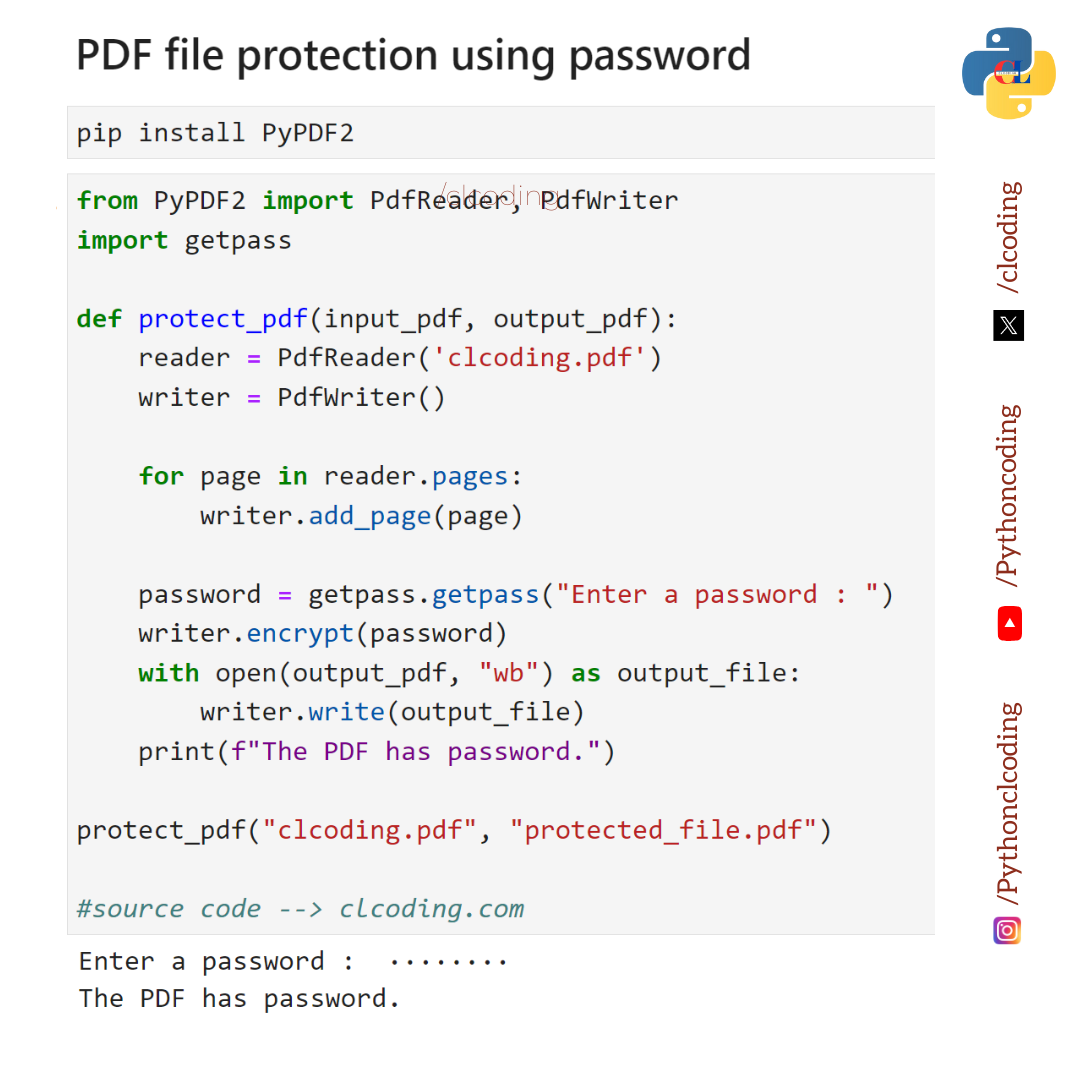
To write to a file, you can use the `write` method. For example:
file = open('example.txt', 'w')
file.write('Hello, world!')
file.close()
Best Practices for File I/O in Python
Here are some best practices to keep in mind when working with files in Python:
- Always close the file after you're done with it to prevent file descriptor leaks.
- Use the `with` statement to automatically close the file when you're done with it.
- Use the `try`-`except` block to handle errors that may occur when working with files.

Common Use Cases for File I/O in Python
Here are some common use cases for file I/O in Python:
- Reading and writing configuration files.
- Logging data to a file.
- Processing large datasets stored in files.
Conclusion
File input and output operations are an essential part of any Python program. By understanding the fundamental concepts, usage methods, common practices, and best practices of file I/O in Python, you can write more efficient and effective code. Remember to always close the file after you're done with it and use the `with` statement to automatically close the file.