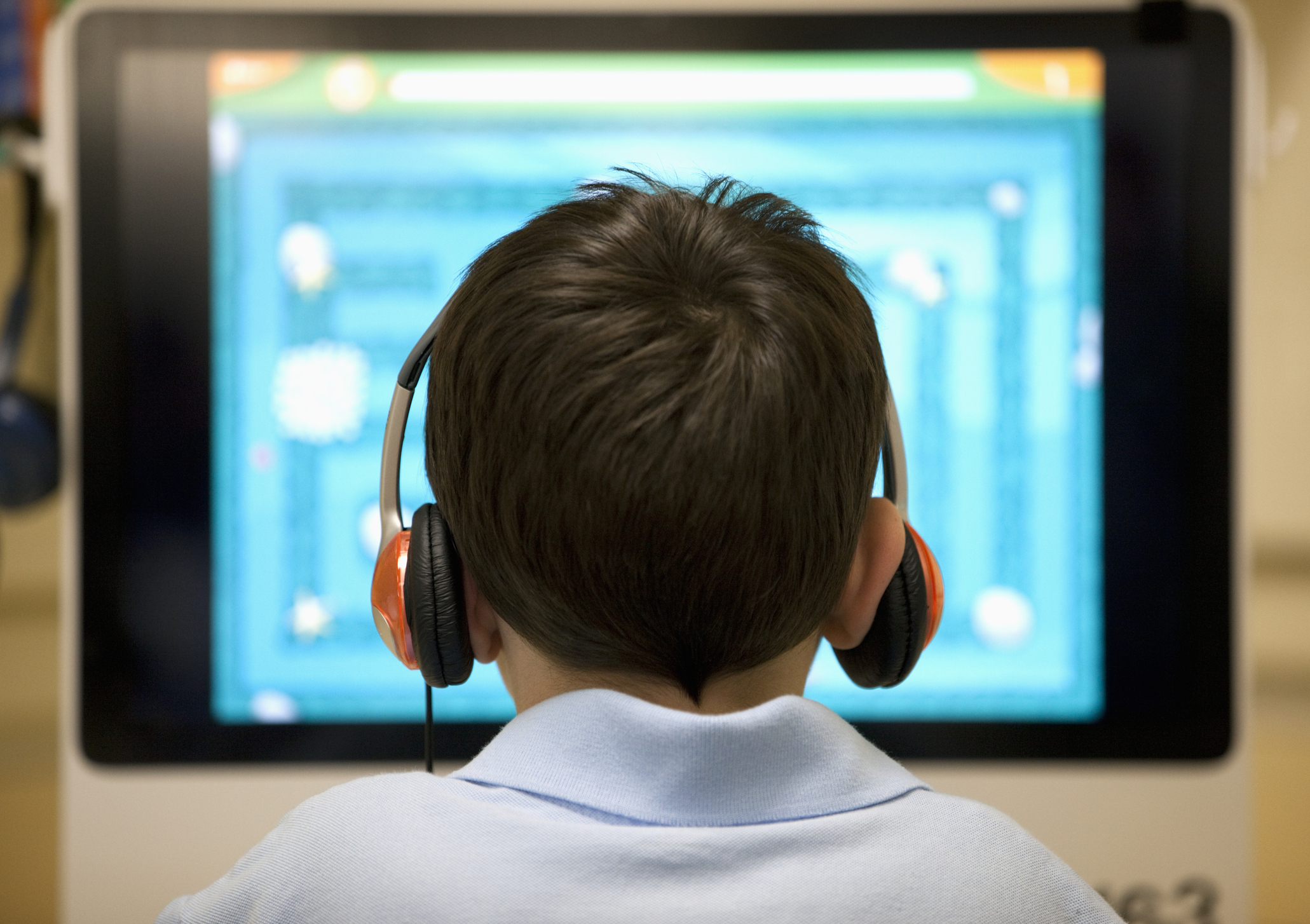
Staring At Computer Screens: The Hidden Dangers of Digital Eye Strain
With the increasing use of digital devices, it's not uncommon to find ourselves staring at computer screens for hours on end. While the benefits of technology are numerous, prolonged screen time can have a detrimental effect on our eye health. In this article, we'll delve into the causes, symptoms, and prevention strategies for digital eye strain, ensuring you can enjoy the benefits of technology without compromising your vision.
The Causes of Digital Eye Strain
Staring at a computer screen for extended periods can cause a range of eye and vision-related problems. Some of the primary causes include:
- Constantly refocusing on pixels, which can lead to eye strain
- Dry eyes and reduced tear production due to blinking less frequently while looking at a screen
- Proximity to the screen, causing the eyes to work overtime to focus on a close distance
- Squinting or tilting the head to see better, leading to neck and shoulder strain
- Blue light emitted from screens, which can disrupt sleep patterns and affect eye health

digital eye strain can manifest differently in various individuals, but common symptoms include:
- Eye strain and fatigue
- Headaches and blurred vision
- Dry, irritated, or watery eyes
- Difficulty focusing or maintaining concentration
- Eye pain or discomfort
Prevention Strategies for Digital Eye Strain
While it's impossible to completely eliminate digital eye strain, incorporating the following prevention strategies can significantly reduce its occurrence:

- Follow the 20-20-20 rule: Every 20 minutes, look away from your screen and focus on something 20 feet away for 20 seconds
- Adjust display settings for comfort: Change the brightness and contrast to suit the lighting environment
- Position your computer correctly: Ensure the monitor is at a comfortable distance, with the top of the screen at eye level
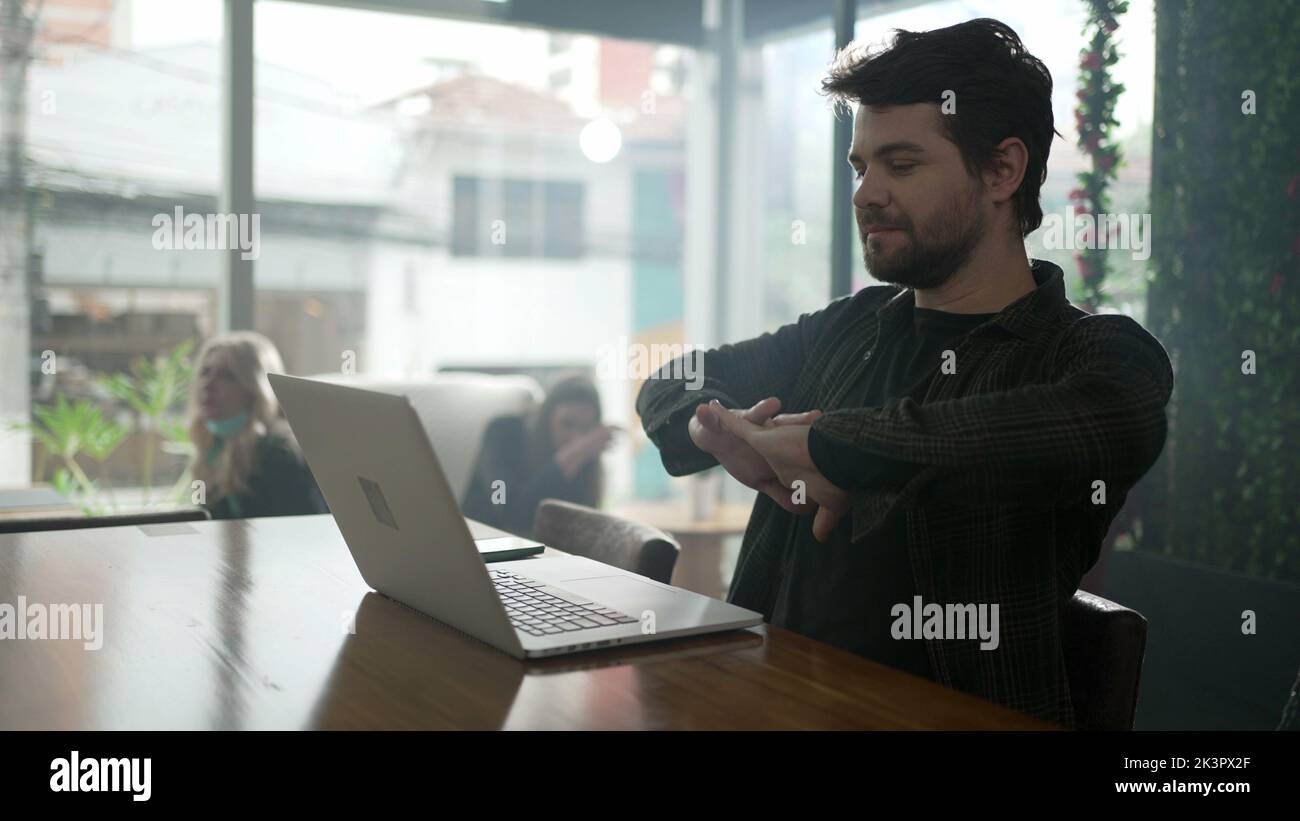
- Take regular breaks: Every 45-60 minutes, stand up, stretch, and move around to reduce physical strain
- Wear blue light blocking glasses or software
- Consider eye exercises or relaxation techniques to reduce eye fatigue
- Get regular eye check-ups to monitor eye health and correct any vision problems
The Long-Term Consequences of Prolonged Screen Time
While digital eye strain is potentially reversible with rest and proper care, prolonged screen time can have more severe consequences, including:
- Computer vision syndrome (CVS): A group of eye and vision-related problems caused by prolonged digital device use
- Macular degeneration: The leading cause of vision loss in older adults, linked to prolonged exposure to blue light
- Retinal damage: Prolonged exposure to screens can cause retinal damage and lead to vision loss
- Sleep disorders: Blue light emitted from screens can interfere with sleep patterns, leading to chronic sleep deprivation