How to Tie Shoes for Kids with Developmental Delays: A Gentle, Effective Guide
Tying shoelaces is often seen as a simple daily task, but for children with developmental delays, it can be a complex challenge—one that requires patience, creativity, and the right approach. If your child struggles with this skill, you’re not alone. Many children with ADD, ADHD, or Developmental Coordination Disorder (DCD—formerly known as dyspraxia) find the sequence of movements and visual-motor coordination overwhelming. But with proven strategies, adaptive tools, and consistent support, kids can learn how to tie their shoes at their own pace.Why Learning Shoelace Tying Matters for Kids with Developmental Delays
Mastering how to tie shoelaces isn’t just about appearance—it’s a vital developmental milestone. It strengthens fine motor skills, improves hand-eye coordination, boosts concentration, and fosters independence. For children with delays, mastering this task builds self-confidence and independence, helping them feel capable in everyday life. Even something as simple as lacing shoes can become a symbol of achievement. For kids with developmental delays, the challenge often lies in the multi-step sequence: creating loops, tucking the laces, forming a knot or bow—all while maintaining focus and dexterity. This is where creative adaptation and play-based learning turn obstacles into opportunities. There’s no one-size-fits-all method, but breaking the process into manageable steps helps children with developmental delays gain success. Here’s how:- Start with short laces: Kids struggle with long shoelaces that don’t grip well or create tight loops. Opt for shorter, thicker laces that are easier to handle and form clear knots and bows.
- Thicken the laces for grip: Using brightly colored, ergonomic laces or pre-thickened padded shoelaces improves tactile feedback, making lacing easier and more satisfying.
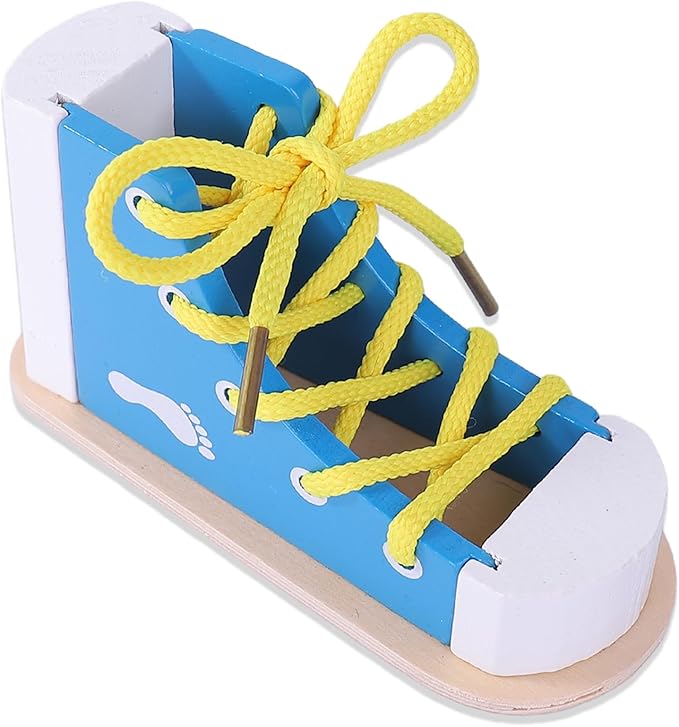
- Use locks or anchors: Pre-tied loops or lacing kits with built-in loops (like “One, Two, Tie” or “Two-Loop Lacing Kits”) simplify the process and reduce frustration.
- Turn it into a game: Playfully introduce shoelace tying with songs, puppets, or story prompts to keep motivation high. For example, “We’re going on a bow hunt!” to make it fun.
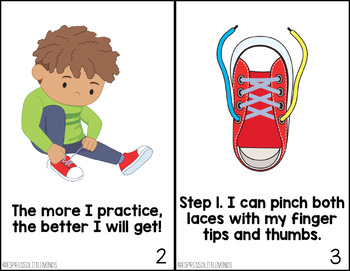
- Model slowly and repeat often: Children with developmental delays benefit from repetition and clear, slow demonstrations—ideally using visual cues and chunking tasks into 2-3 steps at a time.

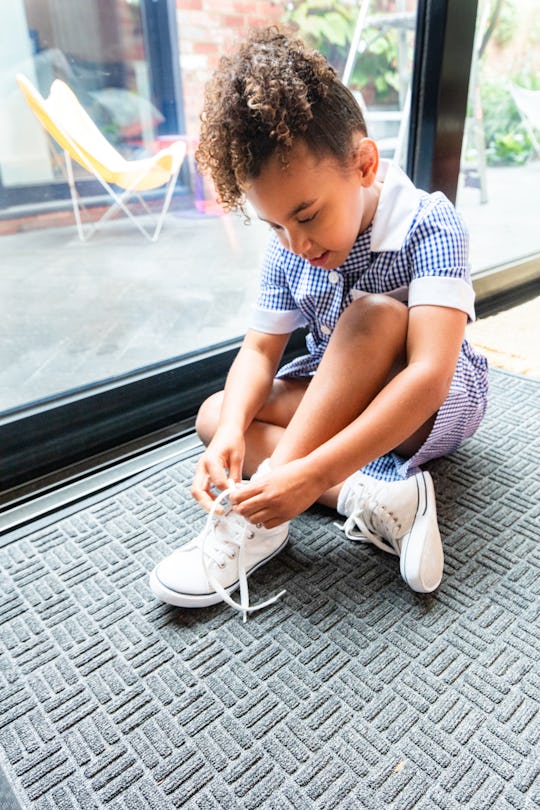
Furthermore, visual representations like the one above help us fully grasp the concept of How To Tie Shoes For Kids With Developmental Delays.
Strategies and Tools That Help
Occupational therapists often integrate shoelace tying into therapy sessions through carefully designed activities. Here are a few effective methods parents and caregivers can try:- Bridle Lacing Technique: A simple pattern forming a “tie” shape before a knot helps reduce confusion. Start by practicing crossing the laces step-by-step.
- Centered Knot Method: Focus on creating a neat double loop and a secure knot—many kids get tripped up at this stage. Counting or rhythm-based counting can aid timing.
- Adaptive Shoelaces: Velcro shoe closures are excellent transitional tools. Once mastery comes, gradually shift to laces with minimal support, using tie kits to ease the shift.

This particular example perfectly highlights why How To Tie Shoes For Kids With Developmental Delays is so captivating.
Many companies design shoelace tying aids specifically for children with special needs. Look for products with:- Thick, easy-to-grip laces
- Pre-formed loops that reduce fine motor demands
- Color-contrasting laces for better visual focus
- Video tutorials designed for autism or delay-related learning—using clear visuals, repetition, and step-by-step guidance
Building Independence, One Loop at a Time